Jescollection.com

Nevada: (702) 613.4660 Toll Free: (844) 537.6742

Nevada: (702) 613.4660 Toll Free: (844) 537.6742

Menu Icon

BLOG

Friday, May 10, 2019

Low Cholesterol May Raise Your Alzheimer’s Risk

Cholesterol is found in your bloodstream and cells, and is necessary for the production of cell membranes. Cholesterol also plays an important role in the formation of memories and is vital for healthy neurological function. Higher cholesterol levels are associated with better brain health; low cholesterol levels have been shown to increase your risk of depression and suicide. A 2014 study found higher levels of HDL and lower levels of LDL were associated with a reduced risk for amyloid plaque deposits in the brain, independently of age and presence of the APOE4 gene, which raises your risk for Alzheimer’s. Research published in 2008 found elderly individuals who were not genetically predisposed to Alzheimer’s disease who had the highest levels of cholesterol — including the highest levels of LDL — had the best memory. Another study published in 2018 came to a similar, although more complex, conclusion. While having higher total cholesterol at midlife was associated with a reduced risk for cognitive decline after the age of 85, those whose cholesterol levels increased between midlife and late life were at increased risk. Click here to read full article.

Sunday, April 28, 2019

Essential oils for neuropathic pain relief

Neuropathy is a general term for conditions that develop as a result of nerve damage. One of the most common forms of neuropathy is diabetic peripheral neuropathy, which occurs in up to 50 percent of people with diabetes.

Peripheral neuropathy typically affects a person’s hand and feet. It can cause pain, tingling, and numbness. Other types of neuropathy can also develop in people with diabetes.
Research suggests that some essential oils may help reduce pain resulting from inflammation and nerve damage. However, much of the available research comes from animal models and individual case studies.
In this article, we look at some essential oils that may relieve neuropathic pain as well as the supporting evidence.
We also describe how to use the oils, risks and considerations, other treatments, and causes and symptoms of neuropathy.

Ginger

Ginger essential oil for neuropathic pain relief
Using ginger oil may help reduce neuropathic pain from inflammatory conditions.
2014 study compared the effectiveness of Swedish massage using aromatic ginger oil with traditional Thai massage in 140 older adults who had chronic lower back pain.
Although both treatments improved the symptoms, Swedish massage with aromatic ginger oil was more effective than Thai massage in reducing pain and disability.
Ginger oil contains a compound called zingibain, which possess potent anti-inflammatory properties. Zingibain, therefore, may help reduce neuropathic pain that results from inflammatory conditions.
However, researchers have not yet investigated the use of ginger oil for the specific treatment of neuropathic pain.
Many ginger essential oils are available to purchase online.

Chamomile

Borneol, a compound in chamomile and lavender essential oils, may help reduce pain and inflammation that relates to neuropathy.
2015 study found that borneol reduced pain sensitivity in mice with neuropathic pain. However, confirming the effect in humans will require further studies.
Many chamomile essential oils are available to purchase online.

St. John’s wort

St. John’s wort, or Hypericum perforatum, is a traditional remedy for depression and anxiety. People also use extracts to treat burns, inflammation, and nerve pain.
According to a 2017 case report, a person with trigeminal neuralgia — a type of nerve pain that affects the face — found that a homeopathic preparation of St. John’s wort helped relieve the symptoms.
The authors of the report concluded that St. John’s wort “may be a promising therapeutic option” for treating this pain, but further research is necessary.
Aromatherapy products containing St. John’s wort essential oils are available to purchase online.

Lavender

lavender oil
Some studies suggest that lavender oil may help reduce pain and anxiety.
Inhaling lavender essential oil may help promote relaxation and reduce pain and anxiety.
2016 study looked at the effectiveness of aromatherapy during peripheral venous cannulation, which involves the insertion of a tube with a needle into a peripheral vein.
After recruiting 106 people who were due to undergo the procedure, the researchers randomly assigned the participants to receive either aromatherapy with lavender essential oil or a placebo.
Following the cannulation, those in the lavender group reported significantly less pain and anxiety than those in the placebo group.
However, a 2014 study found that lavender oil aromatherapy had no effect on reducing pain in people undergoing open-heart surgery.
A range of lavender essential oils are available to purchase online.

Holy basil

Holy basil, also known as tulsi or tulasi, is an aromatic plant that grows throughout the Indian continent and Southeast Asia. Practitioners of Ayurvedic medicine have long used it to treat a range of conditions, including nerve pain.
2015 study found that holy basil extract significantly reduced sciatic nerve pain in rats. However, confirming these findings in humans will require further research.

Peppermint

Peppermint oil has antimicrobial, anti-inflammatory, and antioxidant properties. It may also help regulate the immune system and reduce muscle spasms.
The findings of a 2019 systematic review suggest that peppermint oil may help relieve gastrointestinal pain from irritable bowel syndrome, or IBS. However, researchers have yet to establish whether peppermint oil can help treat nerve pain.
A number of peppermint essential oils are available online.

How to use

People either inhale essential oils or use them as a massage oil.
A person can try adding a few drops of essential oil to a diffuser, bath water, or soft furnishings, such as pillows.
When using essential oils in a massage, always dilute them in a carrier oil, such as almond or olive oil. Gently massage the mixture into the affected area.

Risks and considerations

The Food and Drug Administration (FDA) class most essential oils as cosmetic products, which means that it does not regulate their quality or safety. It is therefore advisable to only purchase essential oils from reputable manufacturers and to carefully read any labels or directions.
Aromatherapy involves using essential oil, either in a diffuser or a massage.
Pure essentials oils are very concentrated, and some can be toxic, so people should not ingest them.
It is also important to dilute essential oils in a carrier oil before using them directly on the skin. Manufacturers often provide instructions on dilution and safe usage.
Essential oils can cause skin irritation or allergic reactions in some people, so it is advisable to perform a patch test before using a new oil.
A patch test involves applying the diluted oil to a small area of skin, such as the back of the hand or part of the forearm. Do not use the oil if the skin becomes itchy, red, or dry.
Essential oils may interact with certain medications, such as antidepressants and stimulants. People taking prescription medications should seek advice from their doctor before using an essential oil.
Consider pets, children, and pregnant women before diffusing essential oils.

Other treatments for neuropathy

Medical treatment for neuropathy generally depends on treating the underlying cause. For example, good control of blood glucose levels may help reduce symptoms in people with diabetic neuropathy.

Medication

Doctors may prescribe medications to help relieve pain in people with neuropathy. These can include:
  • tramadol, codeine, and hydrocodone
  • alpha-2 adrenergic agonists, including clonidine and tizanidine
  • antidepressants, such as amitriptyline, imipramine, and duloxetine
  • anticonvulsants, such as gabapentin and lamotrigine
  • topical pain relievers, such as lidocaine patches, sprays, and ointments

Transcutaneous electrical nerve stimulation

Transcutaneous electrical nerve stimulation (TENS) is a therapy that uses electrical currents to treat pain and relieve muscle spasms.
TENS therapy involves placing electrodes on the affected areas of the body. These connect to a small device that delivers mild electrical current to the nerves. People can use a TENS device at home.
The authors of a 2017 systematic review were unable to come to a definite conclusion about whether TENS can relieve neuropathic pain. They attributed this to the low quality of available evidence and pointed to the need for further studies.
Some people report pain relief with TENS therapy, and it is a relatively safe approach. When using a TENS unit, it is essential to follow the manufacturer’s instructions.
Various TENS units are available to purchase online.

Physical therapy

Regular physical therapy can help reduce neuropathic pain. Physical therapy for neuropathy focuses on improving muscle strength, flexibility, and balance.
A specialized physical therapist or other healthcare professional will work closely with a person to develop a tailored exercise routine.

Causes and symptoms of neuropathy

woman appearing stressed
Stress may cause a person to have neuropathy.
There are many causes of neuropathy. Some of these include:
Neuropathy can cause a wide range of symptoms, depending on which nerves the condition affects.
Symptoms of neuropathy can include:
  • numbness, tingling, or burning sensations in the extremities, such as the hands and feet
  • reduced or extreme sensitivity to touch
  • muscle weakness
  • difficulty walking
  • muscle spasms
  • digestive issues
  • excessive sweating
  • difficulty swallowing

Summary

Neuropathic pain is a type of pain that results from conditions that affect the nerves. Peripheral neuropathy is common in people with diabetes and can cause pain, tingling, and numbness in the hands and feet.
Limited research suggests that certain essential oils may help to relieve certain types of pain and inflammation. However, many of the studies were in animals or did not specifically investigate the effects of essential oils on neuropathic pain.

Thursday, April 11, 2019

Spring Sale

Sale starts on Sunday, April 14th, through Sunday, April 21st. Some items are limited, first come, first serve. Sale Prices posted on the web-site, No coupon needed. Free shipping at $100 or more. Thank you for your continued loyalty and support of our business. https://www.jescollection.com/

Sunday, March 31, 2019

JES Organics Spring Sale

JES Organic's Newsletter
Keeping you up-to-date on our amazing organically infused NON-TOXIC products

Sale starts on Thursday, April 18th, through Sunday, April 21st.  Some items are limited, first come, first serve.  Sale Prices posted on the web-site, No coupon needed.  Free shipping at $100 or more.  Thank you for your continued loyalty and support of our business.
SHOP NOW
Why Use JES Organics Products? 
We offer free consultations and on-line support for your health, beauty & skin care needs.

Our natural skin care products are created to help you look your best without compromising your health or polluting your body or the planet with toxic ingredients, fragrances, parabens, phthalates, hexane or sulfates, synthetic fragrances, dyes, or mineral oils.  Made in the USA using the highest quality organic plant ingredients.

All of our pure skin and body care products are created with a focus on supporting optimal skin health, rather than simply manipulating the skin's appearance. We believe that this approach to beauty is the only true way of promoting authentic, lasting visible radiance.  NO Animal Testing.  
LEARN MORE

NEW ITEMS!

Over 30 Beautiful Lipstick Colors  I love these lipsticks because they don't have that typical commercial lipstick taste. Made with natural & organic ingredients.  Lead free, paraben free and non-toxic.  Made in the USA. No Animal Testing.  

HUGE SAVINGS ON Lip Gloss 

All Natural Luscious Lip Gloss with Certified Organic Ingredients, Gluten Free, Cruelty Free, Vegan. Preservative-free formula with an infusion of antioxidant-rich botanical extracts, essential oils & pigments. Made in the USA. No Animal Testing.  
UP to 50% OFF on Natural Makeup.  
FOR HELP WITH CHOOSING YOUR COLORS PLEASE FEEL FREE TO E-MAIL OR CALL US. WE HAVE A TRAINED COLOR SPECIALIST AND MAKE-UP ARTIST ON STAFF.  JES Organics quality, all-natural makeup products are made of pure plant extracts & natural mineral pigments. Our makeup protects your skin & won’t mask or harm your skin with harsh chemicals. Our makeup products are ideal for those with sensitive skin as they are made without the use of petrochemicals, dyes, artificial fragrances, talc, parabens, bismuth oxychloride, mineral oil and other pore clogging toxic ingredients.
SHOP NOW

AGE DEFYING INGREDIENTS FOR THE BODY
GREAT FOR CREPEY SKIN & WRINKLES
 

Moisturizing, rejuvenating & clarifying skin-care for aging or sun-damaged skin. Contains Alpha Hydroxy Acid, Alpha Lipoic Acid, Vitamin C, Grapeseed, Green Tea, & nutrient rich moisturizing butters and oils. This contains approximately 10% glycolic acid.  Glycolic acid is a member of the alpha-hydroxy acid (AHA) family, and is one of the most commonly used chemical peeling agents employed to address a wide variety of skin care complaints, including: fine lines/wrinkles, hyperpigmentation, and acne.  In addition to being deeply penetrating, cleansing and exfoliating, topical application of glycolic acid has been shown to be an effective anti-ager: stimulating collagen & elastin production, quickening cell turnover, increasing skin thickness, firmness & hydration, reversing sun damage (such as mottled pigmentation), and smoothing rough and wrinkled skin.
BUY NOW
Copyright © 2019 JES Organics, All rights reserved.

Located in Mesquite, Nevada

Want to change how you receive these emails?  We only send out holiday sale and important news notifications.  If you unsubscribe, you will not know when we are having a sale.  You can update your preferences or unsubscribe from this list.

Saturday, March 30, 2019

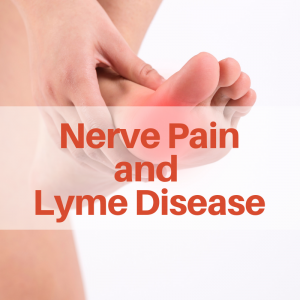
Nerve damage shown in patients with chronic Lyme symptoms

LYME SCI: Nerve damage shown in patients with chronic Lyme symptoms

Many Lyme disease patients report severe chronic pain, numbness and tingling, even after they have supposedly “completed” treatment for Lyme disease.
But up until recently, there hasn’t been an objective way to measure those symptoms. You had to report them to the doctor, hoping he’d take you at your word about what you were feeling.
New research suggests such sensations may be caused by nerve damage. Additional findings show that decreased blood flow in the brain may also be contributing to “dysautonomia.” That’s dysfunction of the system that regulates bodily functions such as blood pressure, digestion, and sweating.
Now, a groundbreaking study provides quantifiable, physiological reasons for these chronic symptoms that continue to plague a subset of patients despite treatment for Lyme disease. (I wrote about another recent study showing measurable inflammation in the brains of Lyme patients here.)

Small fiber neuropathy

This new study is from Dr. Peter Novak and colleagues at Harvard Medical School. They set out to determine whether symptoms such as fatigue, cognitive impairment and widespread pain that remain following treatment for Lyme disease are associated with a condition called small fiber neuropathy (SFN).
SFN is caused by damage to nerves that convey pain and temperature sensations from the skin to the brain, as well as those involved in breathing, heartbeat, digestion and bladder control.
Even when Lyme is treated early, the CDC states that 10% – 20% of patients will be left with prolonged, sometimes disabling, symptoms. If not treated until later in the illness, the recovery rate is even worse, with estimates of up to 50% of patients remaining ill.
When such symptoms as brain fog, widespread pain, and fatigue continue for longer than six months after treatment, some researchers call it post-treatment Lyme disease syndrome (PTLDS).
[Editor’s note: LymeDisease.org recommends dropping PTLDS as a diagnostic term. Read more here.]

How does Lyme affect the nervous system?

Borrelia, the spirochete that causes Lyme disease, can invade the nervous system, creating a condition called Lyme neuroborreliosis.
In the central nervous system, the infection can cause meningitis (swelling of the brain), and damage various nerves in the brain or brainstem. In the peripheral nervous system, the infection can result in pain that radiates along sensory nerves.
The exact reasons why some patients get better with treatment and other patients remain ill is unclear. The potential mechanisms may include permanent damage from infection, neuroinflammation, autoimmune reactions, or persistent infection.
As Professor Holly Ahern explains, the main problem with research into so-called “PTLDS” is the absence of an accurate blood test or biomarker. Researchers have no way to determine if persisting infection is the cause of the continuing symptoms.
Dr. Novak and his team set out to find objective measures. “We know these patients are suffering. The next question is how do we treat them?” says Novak.
“The most valuable studies are those that give us a biomarker, something we can measure, so that when we treat them, we can look objectively to see if they get better or not.”

The study

The researchers screened 132 Lyme patients. Of these, only 10 participants (5 women, 5 men) met the criteria for PTLDS used by the Johns Hopkins Lyme Disease Clinical Research Center. These criteria include:
  • A documented history of Lyme disease that satisfies the CDC criteria,
  • A combination of fatigue, cognitive complaints and chronic widespread pain that persists for six months or more, after completing treatment for Lyme disease,
  • An absence of other disorders that could explain the complaints associated with PTLDS
All 10 patients in Novak’s study had received three weeks of oral doxycycline. Because of persisting symptoms, all 10 had also been treated with additional antibiotics.
To establish whether SFN might be causing continuing symptoms, study participants were given skin biopsies and other evaluations.
The most commonly reported symptoms were:
  • Aching pain (10:10)
  • Numbness, pricking sensations, lightheadedness, dry mouth or eyes (8:10)
  • Feet colder than the rest of body (7:10)
  • Pale or blue feet, burning pain, lancinating (stabbing) pain (6:10)
  • Decreased sweating at feet (both at rest & after exercise or hot weather) (5:5)

The results

The results of the study are striking. All 10 participants tested positive for SFN and decreased blood flow to their brains.
Notably, all 10 participants were shown to have normal large nerve fiber functions. This means that standard nerve conduction velocity tests—which measure how fast an electrical impulse moves through a nerve—will not be a good diagnostic tool for these patients.
Dr. Novak says he had anticipated finding some SFN, but was surprised by the reduced velocity in cerebral blood flow found in all 10 participants.
Based upon the “horrible pain” reported by these patients, Novak explains, “we expected them to have damage of the nerves. But we were surprised with the low cerebral blood flow measured with the Doppler test, which was significant.”

What this means for patients

The symptoms of chronic Lyme overlap with many other illnesses, like multiple sclerosis and fibromyalgia. So, it’s important to have tests that can detect all stages of Lyme and differentiate it from other conditions.
In the future, the SFN biopsy may be a good biomarker for Lyme disease. Typical symptoms of SFN include numbness, tingling or “pins-and-needles,” electric shock-like pain, burning/freezing sensations, or reduced sensation to touch.
Likewise, low cerebral blood flow, as measured by the Doppler, may be a good biomarker for Lyme patients with postural orthostatic hypotension (POTS) and dysautonomia.

The search for better diagnostics

While the results of this study were remarkable, Dr. Novak cautions, “It was a small group.”  He explains, “We want to do the study again… We have many more patients that don’t meet the CDC criteria. Next time we will look at these patients. The next question will be how do we treat them.”
I and many other within the Lyme community are encouraged to see so many talented researchers devoting themselves to finding answers. The discovery of more sensitive and accurate biomarkers for Lyme is an important step towards better treatments for people with tick-borne illnesses.
LymeSci is written by Lonnie Marcum, a Licensed Physical Therapist and mother of a daughter with Lyme. Follow her on Twitter: @LonnieRhea  Email her at: lmarcum@lymedisease.org .
 References
Novak P, Felsenstein D, Mao C, Octavien NR, Zubcevik N (2019) Association of small fiber neuropathy and post treatment Lyme disease syndrome. PLoS ONE 14(2): e0212222. https://doi.org/10.1371/journal.pone.0212222
Personal communication, March 12, 2019. Peter Novak, MD, PhD, Division Chief, Autonomic Neurology, Director, Autonomic Laboratory, Department of Neurology, Brigham and Women’s Faulkner Hospital, Assistant Professor of Neurology, Harvard Medical School.
 Related Posts: