Jescollection.com

Nevada: (702) 613.4660 Toll Free: (844) 537.6742

Nevada: (702) 613.4660 Toll Free: (844) 537.6742

Menu Icon

BLOG

Showing posts with label chronic fatigue syndrome. Show all posts

Monday, February 26, 2024

Quercetin Benefits Chronic Fatigue

 Quercetin Phytosome Benefits Chronic Fatigue


Chronic fatigue syndrome is a complex series of symptoms with uncertain etiologies. Quercetin has shown numerous mechanisms of action that might make it a candidate for consideration in cases of chronic fatigue syndrome – antioxidant, anti-inflammatory, immune-modulating, improved exercise endurance, and increased mitochondrial biogenesis and function. Therefore, a well-absorbed form of quercetin was tested for efficacy in individuals suffering from chronic fatigue.


In this study, 78 participants (average age 56; female=42; male=36) complaining of various aspects of chronic fatigue were randomized to receive 250 mg quercetin phytosome or placebo twice daily for two months. Potential participants with an identifiable cause of fatigue like hypothyroidism or anemia were excluded. The primary endpoint was a change from baseline in scores on the Fatigue Impact Scale (FIS-40). Secondary endpoints included sleep quality (measured by the Pittsburgh Sleep Quality Index), quality of life scores, and physical performance and endurance via several physical tests.


At the end of the study, changes in scores on the various tests were compared between the supplement and placebo groups. The quercetin group had significantly greater improvement compared to placebo on the primary endpoint using the FIS-40 score to assess aspects of fatigue. The supplement group also had comparatively and significantly greater improvement in sleep quality and physical performance/endurance. The specific areas of physical performance improvement included number of steps (measured by an armband sensor), gait speed, chair-stand test, and time-up-and-go (the time it takes to stand from an armchair, walk three meters, walk back, and sit down).


Reference

Rondanelli M, Riva A, Petrangolini G, et al. Two-month period of 500 mg lecithin-based delivery form of quercetin daily dietary supplementation counterbalances chronic fatigue symptoms: A double-blind placebo controlled clinical trial. Biomed Pharmacother 2023 Nov;167:115453. doi: 10.1016/j.biopha.2023.115453.

Monday, August 19, 2019

Researched Nutritionals ATP 360™


Next Generation Mitochondrial Complex
Mitochondrial health can be influenced by a multitude of environmental factors. To improve mitochondrial function, both the number of mitochondria and the function of mitochondria need to be supported. ATP 360™ was designed to offer complete mitochondrial support including promoting normal mitochondrial growth, supporting a healthy mitochondrial membrane, and supplying the necessary cofactors for optimal cellular energy production. Preliminary in vitro research has shown ATP 360™ to increase mitochondrial mass, promote ATP production and help provide protection of the mitochondria during exposure to oxidative stress and low oxygen.

Read Research Article:
https://www.researchednutritionals.com/wp-content/uploads/_mediavault/2019/08/Research-Alert-ATP-360-Rev0819.pdf

Tuesday, April 30, 2013

Far infrared ray therapy or FIR therapy: clinical results reveal incredible promise


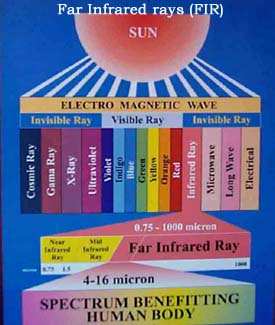
far infrared ray therapyFar-infrared rays (FIR), first explored by NASA scientists, have since captured the interest of the medical community. In clinics and laboratories all over the world, medical practitioners and researchers have tested the effects of FIR on a wide range of conditions. These clinical cases reveal very promising results, suggesting that FIR therapy can be successfully used to accelerate healing, improve sleep patterns, alleviate depression, improve cardiovascular health, treat Chronic Fatigue Syndrome and help prevent atheroscleriosis.

These powerful rays are part of the electro-magnetic light spectrum, closest in frequency to natural sunlight. The advantage of far-infrared rays over sunlight is that they contain no harmful UV/UVB radiation.
fir therapyThe BioMat emits therapeutic far infrared waves by sending pulses of energy through a patented carbon ceramic material (Japanese Kurera Super Fiber) and along superconducting amethyst channels. This delivery system allows the rays to safely penetrate the human body to a depth of seven inches, allowing treatment to reach the internal organs.

FIR as an accelerant for wound healing

The Journal of Experimental Biology and Medicine published a study that explored the accelerating effects of FIR on wound healing. The study found that would healing was significantly more rapid when FIR treatment was administered, and that greater collagen regeneration was also noted.  Another study, published in Mycoses Journal, found that far infrared therapy could be used successfully to treat sporotrichosis, a long-term, chronic fungal skin infection.

Far infrared therapy as a sleep regulator

The International Journal of Biometeorology published a study that explored the effects of FIR on sleep modulation. Testing FIR on rats and later on an insomniac patient, FIR therapy was found to enhance blood circulation and sleep patterns. The effects were recorded to be triggered by an exposure to far-infrared rays, which induced an increase in the temperature of the body tissues and an elevated motility of body fluids. A total of 542 subjects reported an improvement in their health.

FIR as a treatment for depression

In an issue of Psychosomatic Medicine: Journal of Behavioral Medicine, a study explored the effects of FIR on mildly depressed patients. Twenty-eight in-patients with mild depression, general fatigue and appetite loss were treated for a total of 45 minutes per day, with an improvement noted after four weeks. The findings suggested that repeated thermal therapy may be useful for mildly depressed patients.

FIR as a treatment for cardiovascular disease

The Journal of the American College of Cardiology, researchers sought to determine whether FIR improved endothelial function (blood flow) in patients with coronary risk factors such as hypercholesterolemia, hypertension, diabetes mellitus and smoking. The study found that FIR treatment improved vascular endothelial function among patients with coronary (atherosclerosis) risk factors.

Another study published in the Journal of Experimental Biology and Medicine looked at FIR as a way to induce systemic vasodilation (decreased blood pressure). Results suggested that FIR (at 60°C for 15 min) improved cardiac function and vascular endothelial function in patients with congestive heart failure. Interestingly, this study also noted a weight-loss and body-fat loss effect, further compounding the positive effects of treatment.

Far infrared therapy as a treatment for Chronic Fatigue Syndrome

A 2005 study published in the Journal of Psychosomatic Research explored the use of FIR as a treatment for Chronic Fatigue Syndrome. Two patients who had been treated unsuccessfully with prednisolone (PSL), a corticosteroid used in the treatment of inflammatory and auto-immune diseases, were subjected to FIR therapy once a day for 35 consecutive days. They were then treated twice a week for one year. Both patients reported a dramatic improvement in symptoms such as fatigue, pain, sleep disturbance, and low-grade fever, with no relapse during the first year of discharge.

The remarkable results of these studies and many others like them being reported around the world further confirm the broad healing properties of FIR therapy. For many patients, even those with hard-to-treat and resistant symptoms, regular far infrared therapy treatment can provide relief and remission.
Learn more about the powerful FIR technology delivered by BioMat products.

Monday, February 18, 2013

Profits Before Patients - A Startling Real-Life Drama


If you suffer from fibromyalgia, arthritis, autism, chronic fatigue, irritable bowel disease or an impaired memory, you may have Lyme disease. Under Our Skin exposes this growing epidemic, one that's largely neglected and ignored by the medical establishment. You owe it to yourself to watch...
 
In the early 1970's, a mysterious illness was discovered among children living around the town of Lyme, CT. What was first diagnosed as isolated cases of juvenile arthritis, eventually became known as Lyme disease, one of the most misunderstood and controversial illnesses of our time. Today, many of those untreated will suffer chronic debilitating illness. Some unknowingly will pass the disease on to their unborn children. Many will lose their livelihoods, and still others, their lives. 
 
Difficult to test accurately, tens of thousands of people go undiagnosed or misdiagnosed. The Centers for Disease Control admits that more than 400,000 people may acquire Lyme disease each year, a number ten times greater than AIDS and West Nile Virus combined. And yet, the medical establishment--with profound influence from the insurance industry--has stated that the disease is easily detectable and treatable, and that "chronic Lyme" is some other unrecognized syndrome or a completely psychosomatic disorder.

A gripping tale of microbes, medicine & money, Under Our Skin exposes the hidden story of Lyme disease, one of the most serious and controversial epidemics of our time. Each year, thousands go undiagnosed or misdiagnosed, often told that their symptoms are all in their head. Following the stories of patients and physicians fighting for their lives and livelihoods, the film brings into focus a haunting picture of the health care system and a medical establishment all too willing to put profits ahead of patients. As suspenseful and hair-raising as any Hollywood thriller, Under Our Skin is sure to get under yours. 

Get your DVD here  (http://shop.mercola.com/product/under-our-skin-dvd,1037,0.htm?e_cid=20130218_DNL_YRP_3&utm_source=dnl&utm_medium=email&utm_campaign=20130218)
 

Friday, January 11, 2013

Fibromyalgia In Men

The fact that fibromyalgia is a chronic condition typically associated with women is one reason why the disease is often overlooked for men’s health. However, men can develop fibromyalgia as well, and they even appear to experience the disease differently than women.

What Is Fibromyalgia?
Fibromyalgia is an illness characterized by chronic pain, persistent fatigue, sleep disturbances, memory problems and mood shifts, as well as other disturbing and even debilitating symptoms. The American College of Rheumatology estimates that 2 percent to 4 percent of the population has fibromyalgia; but the exact figures are not known because of both missed diagnoses and misdiagnoses, especially among men.[1] The Centers for Disease Control and Prevention states that the female-to-male ratio for fibromyalgia is 7:1. [2]

The disease is usually diagnosed using criteria established by the American College of Rheumatology that were revised in 2010. One of the former criteria involved 18 trigger points — locations on the body that are painful when pressed. This criterion has been replaced by the Widespread Pain Index, a more comprehensive view of the various factors associated with pain.

Studies Of Fibromyalgia In Men
A study published in the journal Arthritis Care & Research explored why men who tell their doctors about fibromyalgia symptoms are less likely to be diagnosed with the disease. According to the study’s lead author, Ann Vincent, M.D., medical director of Mayo Clinic’s Fibromyalgia and Chronic Fatigue Clinic, “Health care providers may not think of this diagnosis when face to face with a male patient with musculoskeletal pain and fatigue.”

The Mayo Clinic epidemiology study involved a survey of adults living in Olmsted County, Minn., and asked them if they experienced the hallmark symptoms of fibromyalgia. Of the 830 people who answered the survey, 5.3 percent (44 individuals) met the criteria, but only 12 had been diagnosed with fibromyalgia.

When it came to gender differences, the researchers discovered that the discrepancy between the people who said they had fibromyalgia symptoms and those who were actually diagnosed was greatest among men — 20 times greater. In comparison, three times more women reported symptoms than were diagnosed. [3]

It appears that men experience fibromyalgia differently than women do, at least according to some research. The latest evidence appears in Pain Medicine (December 2012); 24 men and 24 women with diagnosed fibromyalgia were studied. Although women reported having greater pain intensity, more tender locations and more depression than men, men reported having pain for a longer time and more disability than women. In addition, women tended to have greater pain in the cervical spine, second rib, buttocks and index finger than men, while males reported greater pain over the neck. [4]

Fibromyalgia And Sexual Function
Since fibromyalgia involves significant pain and fatigue, it’s easy to understand how it can be associated with erectile dysfunction. Researchers decided to study this problem in a recent study that included 37 sexually active men who had fibromyalgia and 30 healthy controls. Using a variety of scales, the investigators determined that men with fibromyalgia had significantly lower scores on the International Index of Erectile Function when compared with controls and that the lower scores correlated with pain and other physical symptoms of sexual health. The authors concluded that fibromyalgia “leads to an impairment in the sexual function in male patients, which is especially strongly associated with age, widespread pain and the quality of life.”[5]

Take-Home Message
If you experience symptoms of fibromyalgia and have not been diagnosed with the disease and/or have not found relief from your symptoms, you should seek help from medical professionals who are familiar with the disease, such as rheumatologists or chronic pain specialists. Although there is no known cure for fibromyalgia, there are conventional and alternative/complementary treatment options available to manage symptoms and improve quality of life.

Sources:
[1]–American College of Rheumatology: http://www.rheumatology.org/practice/clinical/classification/fibromyalgia/2010_Preliminary_Diagnostic_Criteria.pdf
[2]–Centers for Disease Control and Prevention: http://www.cdc.gov/arthritis/basics/fibromyalgia.htm
[3]–Prevalence of fibromyalgia: a population-based study in Olmsted County, Minn., using the Rochester Epidemiology project. http://onlinelibrary.wiley.com/doi/10.1002/acr.21896/abstract
[4]–Gender differences in pain severity, disability, depression and widespread pressure pain sensitivity in patients with fibromyalgia syndrome without comorbid conditions. http://www.ncbi.nlm.nih.gov/pubmed/23171037
[5]–Sexuality of men with fibromyalgia: What are the factors that cause sexual dysfunction? http://www.ncbi.nlm.nih.gov/pubmed/23124696

Thursday, November 24, 2011

Why is Lyme Disease Not JUST a Tick-Borne Disease Any More?

If you have been diagnosed with fibromyalia, chronic fatigue syndrome, Parkinson's disease, ALS, MS or have gone undiagnosed with a chronic affliction, please read this article. 

Dr. Dietrich Klinghardt, MD, PhD is well known for his successful treatment of neurological illness and chronic pain with Integrative Medicine.  http://articles.mercola.com/sites/articles/archive/2011/08/27/dr-dietrich-klinghardt-on-lyme-disease.aspx?e_cid=20110820_DNL_artTest_B1

Here, he shares his latest insights into Lyme disease, including its causes, confounding factors that can make proper diagnosis elusive, and how to get around them, along with his own treatment protocol.

By Dr. Mercola
Some experts feel that almost everyone has been exposed to Lyme disease and may have it in one way, shape or form.  Whether that's true or not is up for debate, but clearly there are those who have it and are severely disabled by it.  Dr. Klinghardt—who is one of my earliest mentors in natural health and always on the leading edge—has actually suffered with Lyme disease himself, and as a result, he's passionate about finding effective natural treatments for Lyme.

The Ongoing Discovery of Lyme Disease

It's now been fairly well-established that chronic infection is an underlying factor in most chronic illnesses. Diseases such as Parkinson, multiple sclerosis and chronic fatigue are all turning out to be expressions of chronic infections.
"Right at the center of that is the ongoing discovery of Lyme disease," Dr. Klinghardt says.
Lyme disease has recently received a new definition. It now refers to illnesses transferred by insects, as opposed to simply a tick-borne disease. Mosquitoes can carry Lyme disease and many other serious infections, as can spiders, fleas and mites.
"Today I take a very different approach to Lyme disease," Dr. Klinghardt says. "I look at it as nature mingling with our genes. They are trying to incorporate their genome into our genome… Most of the time it goes wrong but sometimes it goes well. This is like the point I want to make upfront; that I take this more evolutionary view of it.

… We know that Lyme spirochetes were around for a long time but something happened maybe 30-40 years ago, where the creatures became more aggressive, more penetrating, and more illness-producing than they were before. Some of us suspect it's a man-made element. Some of us suspect that the global warming may play a role in it.

I personally suspect that the exposure to electromagnetic fields in the home and the microwaves from cell phone radiation are driving the virulence of many of the microbes that are naturally in us, and makes them aggressive and illness producing. There is probably evidence for all sides of the discussion."

Why Lyme Disease is So Tough to Diagnose…

Lyme disease is notoriously difficult to diagnose using conventional tests. And there's great variation in the presentation of the disease as well, depending on where you contracted it, and whether or not you have any other coexisting infections. There is a group of seven or eight microbes that are the most common. The worst ones are Babesia microti and the different forms of Bartonella.
"Underneath that, there's often an infection with Mycoplasma. We still don't know if it's really transferred with the same bite or if the people had it all along and become symptomatic when the immune system is suppressed by the spirochetes," Dr. Klinghardt says.

Other than the co-infections, there is what I call the "opportunistic infections." The combined effect of the initial infection is an immune suppressive effect, and then the patient becomes vulnerable to all sorts of other things. The most common things people contract early on in the course if the illness are different forms of parasites, such as protozoa; Babesia itself being one of them.

There is Giardia, amoebas, Trichomonas, malaria, and different forms of infections that aren't labeled yet. There is a new one, called FL1953. Stephen Frye discovered that. It's a protozoan organism that's causing severe fatigue and illness in chronically ill people. It's almost always present in a patient with Lyme disease.

And then we find a lot of worms in people. They may be microscopic and they may be macroscopic. That means they may be visible in the stool or they may not be visible."

Common Presentations of Lyme Disease

The most simple presentation is the orthopedic forms of Lyme disease as they're typically more superficial, affecting the larger joints. Interestingly, Dr. Klinghardt injects ozone into the joint in these cases, which he claims is:
"100 percent effective if the Lyme disease or… whatever the microbe is, lives in the joint and is confined to the joint space. Simply putting ozone in the joint will kill the spirochetes, and often with one, sometimes two treatments, make the joint completely pain free. That's one form of the expression of Lyme."
When the microbes and the associated immune reactions are situated in the connective tissue, the infection presents as a "vague, dispersed pain," which oftentimes ends up being labeled as fibromyalgia by conventional doctors. The immunological expression of Lyme covers a wide variety of immune system disorders, typically with some aspect of autoimmunity.
"I did my thesis in 1976 on autoimmune diseases and how the autonomic nervous system interacts with the immune system," Dr. Klinghardt says. "We found then that the determining factor of the outcome of an autoimmune disease was the presence of microbes that were catastrophically unresponsive to antibiotics.

Any autoimmune disease, including rheumatoid arthritis, we suspect has an underlying level of Lyme disease that needs to be treated appropriately before the patient has a chance to recover from the illness."
The gastroenterological presentation, where you have constant stomach problems, constipation, recurring stomach ulcers and/or indigestion, is very common, especially with the Babesia infection. This is sometimes the direct outcome of pancreatitis or hepatitis, but it can also be due to parasites acquired after contracting Lyme disease. In these cases, aggressive treatment of the parasites typically resolves the problem.
"The most startling form of the expression of Lyme disease is a wide variety of neurological illnesses," Dr. Klinghardt says.
"That is what we specialize in… We see a lot of cases with multiple sclerosis (MS)… ALS… [and] everything in between: the chronic fatigued patients, the patient with vague, undistinguishable neurological symptoms, the feeling of buzzing in the head, buzzing on the skin, crawling under the skin…"

How to Diagnose Lyme Disease

Insomnia is one of the key symptoms in many cases of Lyme disease, along with neurological symptoms such as headaches and a wide variety of pain syndromes. But you cannot diagnose Lyme disease on symptoms alone, because they're so varied.
Testing is required, but even that is not a sure-shot…

Most commercial tests designed to detect chronic infections are based on measuring your immune reaction—the presence of antibodies—to the invading microbe. However, one of the primary cells that get infected with Lyme spirochetes are the white blood cells themselves, which is a bit of a game-changer… because if your white blood cells are infected, they lose the ability to produce antibodies.

Hence it is relatively common to get a negative test result…
Dr. Klinghardt refers to this as "the Lyme paradox," because in order to diagnose Lyme disease properly with one of the accepted commercial tests, you have to first treat the Lyme disease, in order for your white blood cells to be able to mount an appropriate immune response. Only then can a lab test be used to detect the presence of Lyme disease.
"An exception to that are the test based on direct microscopy, where you're not depending on the immune responses for the patient," he explains.
However, this too has its drawbacks and difficulties. For example, the FISH test for Babesia is done on blood. But Babesia lives in the central nervous system, joints, and connective tissue. It doesn't live in your blood stream, at least not in significant amounts, so it can easily be missed when looking at blood.

To get around the many testing conundrums surrounding Lyme, whenever he suspects Lyme, Dr. Klinghardt treats his patients for Lyme disease for at least six to eight weeks, followed by a Western blot test, which measures immune response. The treatment is initially based on the clinical symptoms presented, along with a form of muscle testing he developed, called autonomic response testing (ART), which incorporates both classical neurological testing and kinesiology.
"It's not related to the applied kinesiology system that's quite distinct," Dr. Klinghardt explains. "It... may look similar… [but] we're looking for very specific reflexes that are connected to very specific illnesses. We arrive at a tentative diagnosis through history taking, through looking at skin signs; palpating the tissues; testing the normal neurological reflexes; orthopedic tests, and then we add the muscle testing as an additional tool."

Tests and Lab Recommendations

Dr. Klinghardt exclusively uses the IGeneX Lab in Palo Alto for his blood tests, and Fry Labs in Arizona for direct microscopy testing.
"I don't have a financial investment in it, but it's the gold standard in our field," he says. "They use two different antigens. The commercial labs and hospitals and so forth, they use one antigen and are notorious in under-diagnosing Lyme disease. We recommend to rather not test it than get a false negative, which will sometimes lead the patient 20 years on the wrong track. With the other co-infections, the detection rate drops way down.
… We do the FISH test [for Borrelia] at IGeneX Lab. It's a direct microscopy test which has more false negatives than the western blot.

… The leading test for Bartonella that we use is Fry Labs in Arizona. Steven Fry, who does a wonderful direct microscopy test, often comes back positive with the diagnosis of hemobartonella. Hemo means simply blood – Bartonella in the blood. Remember, he's testing the blood where the Bartonella typically does not live. It lives in the nervous system. So if you find it in the blood in small amounts it generally is an indicator that there is a high amount in other tissues in the body."
An indirect test is the CD57 test. "CD-57" is a specific group of natural killer cells that are particularly damaged by the Lyme spirochetes. Therefore, if your numbers drop to a certain level, it is an indirect indicator that you may have Lyme disease, because the only known infection to suppress CD57 is that of Borrelia burgdorferi.
Normally, your CD57 value should be over 100. If it's lower than that, you're infected with Borrelia. If it's below 60, you probably have both Borrelia and Mycoplasma, and, most likely, some other co-infections.

Dr. Klinghardt's Treatment Approach

Dr. Klinghardt takes microwave radiation and electromagnetic fields very seriously, as it can have a profound impact on Lyme disease.
"One of my primary treatments for Lyme disease is to put people in protective clothing that shields them from incoming microwaves," he says. "We shield the bedside. We turn off the wireless internet at home. We put shielding paint on the houses. That has been a more successful strategy to treating Lyme disease and to get people neurologically well than any of the antibiotics or any of the antimicrobial compounds."
He's convinced that the increased virulence we're now seeing is related to the dramatic increase in electromagnetic fields and microwave radiation from cell phones, cell towers, and all manner of wireless technologies. Therefore, EMF and microwave radiation mitigation are part of the standard protocol, as any subsequent treatment of Lyme disease will not be as effective unless these external factors are addressed.
Below is a summarized outline of Dr. Klinghardt's treatment for Lyme disease. For more information and details, please listen to the interview in its entirety, or read through the transcript.
  1. First, external factors that act upon the body 24/7 are evaluated.
    This includes electrosmog, EMF, microwave radiation from wireless technologies, and molds. To test for the presence of mold, he uses the ERMI score, which is a semi-quantitative assessment of how much molds is in your home. The score should not exceed 2. However, most of his patients score between 15 and 20. For more information on mold, Dr. Klinghardt recommends www.SurvivingMold.com.
  2. Once external influencing factors have been determined, they're remediated and mitigated. (For mold remediation, please refer to this previous article.)

    To mitigate microwave radiation, Dr. Klinghardt recommends shielding your home with a graphite paint called Y Shield outside, and use special silver-coated cloth for your curtains. These measures will compromise your ability to receive cell phone calls, so depending on your situation, you may opt to shield just your bedroom, or shield your entire home and just use a landline.

    All cordless telephones are removed, and patients are instructed to turn off all the fuses at night, until they have recovered from Lyme disease.
  3. Next, the emotional component of the disease is addressed using Energy Psychology tools, including psychokinesiology (PK) which is similar to the Emotional Freedom Technique (EFT), but more refined and advanced..
  4. Dr. Klinghardt begins the treatment for Lyme disease by addressing parasites, followed by "the Klinghardt antimicrobial cocktail," which addresses the Lyme spirochetes, Babesia, and Bartonella. For more details and complete recipes to all his treatment cocktails, see www.KlinghardtAcademy.com or send an email to info@KlinghardtAcademy.com. Some of the ingredients in his formula include: wormwood (artemisinin)—which has been found to be extremely effective for malaria—combined with phospholipids; vitamin C, and specific herbs.

    Lastly, viruses are addressed using a tincture of Native American herbs called Viressence, by BioPure.
  5. Additional lifestyle factors are also addressed, including diet and vitamin supplementation.

A Word on Antibiotics

Conventional Lyme treatment hinges on long-term use of antibiotics. While this treatment can indeed be effective, there are many reasons to opt for alternatives such as those detailed by Dr. Klinghardt, as antibiotics will disrupt your gut flora, thereby exposing you to a whole host of other pathologies.

More Information

In Dr. Klinghardt's experience, the International Lyme and Associated Disease Society (ILADS) is by far the best and most responsible group, so to learn more about Lyme disease, see www.ILADS.org.
"Depending on where you live in the U.S., consider the treatment that is offered to you through a Lyme literate physician. Most of them have been through the training at ILADS and I do recommend that," Dr. Klinghardt says.

"But there is a level beyond that, which I'm hoping I'm introducing here. If you just do antibiotics, okay, you just do antibiotics. But if you think more holistically and do the things that I recommend, then you no longer will need to resort to antibiotics because you cover your system on so many other fronts. And with that you're not only treating Lyme disease but you're preventing cancer, diabetes, Alzheimer's disease—you're preventing pretty much all the other things that we didn't know were associated with Lyme.
So by treating the mold, by getting electrosmog under control, by treating the infections, by treating insulin resistance, we are preparing the patient for much happy and healthier longer life, and more productive life, which is of course what I'm hoping for…"
Again, Dr. Klinghardt provides free access to all his recipes on his web site, so to learn more about his treatment, please see www.KlinghardtAcademy.com.

Saturday, September 3, 2011

A Special Interview with Cherie Calbom who Recovered from Chronic Fatigue & Fibromyalgia
DM: Dr. Joseph Mercola, DO  (The Easiest Way to Eat ALL the Veggies You Need Every Day...)

CC: Cherie Calbom

 
Hello everyone. This is Dr. Mercola. I’m joined today with Cherie Calbom who is really an expert in juicing. We’re going to engage in a discussion for awhile and answer some of the questions that have been submitted to us.
We’re going to talk about juicing. It’s a really powerful tool that you can use to implement into your lifestyle to help accelerate your progress towards optimal health.

I first became excited about juicing when I was in practice and had a patient come in who was in her 60s or maybe even 70s and she looked like she was in her 40s. She attributed most of her youthful appearance to juicing. I said, this is something that I’m going to do so I started juicing back then. I made a bunch of mistakes. I’m sure we’ll review some of those here. And then I stopped juicing for awhile because I was following more of a really rigid nutritional typing program but you still can implement it. We’ll talk about that too.

Now, I’ve been juicing again and I typically juice on the weekends because of my schedule. So three days out of the week, I’m juicing. Ideally, I think it should be everyday but we’ll discuss some of those options.

Cherie, why don’t you let us know what your background is, how you became interested in juicing and tell us a little bit about your program.


CC: Thank you for inviting me here -- my favorite topic on Earth. I’m known as the Juice Lady. I got the title way back when I started working with the Juiceman company back in ’91 when juicing was just taking its surge.

DM: Is that the Jay Kordich machine?

CC: Yes. I was getting my Masters, completing my Masters Degree in Whole Foods Nutrition at Bastyr University. So I would go out and do the juicing seminars on the weekends and come back and go to school during the week. It was a great, great time of learning but also meeting with people and finding out what their needs were.

I got into juicing way back long before I got into school in Whole Foods Nutrition. I, years ago, had chronic fatigue syndrome, fibromyalgia in my late 20s, hypoglycemia, allergies, candidiasis -- a long list of problems and no hope that anybody gave me, seeing doctors, no hope to get well.

I decided I was going to find a way, there had to be a way to get well. So I started going to health food stores and reading. I found an old Norman Walker book, you know, where it had the numbers, one to whatever. It would list B in apple or a carrot or something.
So I thought, okay I’m going to design my own program. I got my first juicer and I embarked on this five day vegetable juice cleanse and continued that through three months of juicing. I changed my diet completely. One morning, I woke up and thought somebody gave me a new body in the middle of the night. It was like wow! I felt just completely healed.

DM:  So your fatigue had improved.

CC: Completely.

DM: Disappeared.

CC: But along the way, I felt worse before I felt better. No one had talked about the detox reactions. My dad kept saying -- because I had to move home I couldn’t work any longer and I was living there -- he was saying, "I think you’re killing yourself with this juice program." I said, I’m dying on a glass of carrot juice because there is no other hope for me. I was definitely detoxing. But one morning, I felt just brand new and it certainly wasn’t just one day that happened.

DM: How long did it take?

CC: Three months. My body had been cleansing, rebuilding and it just came to fruition one day and I just felt brand new. I thought, wow, that was the best cure on Earth. I slowly started going back to some of the junk food and old way of eating and my symptoms started coming back and it scared the daylights out of me.

DM: Do you know what they call that? In Chicago at least, they call it a clue.

CC: A clue, yes, the light bulb goes on.

DM: Interestingly, it took three months to improve. That happens to be the length of time of the average red blood cells. In three months you should have renewed all your red blood cells. Is that the typical time that you expect most people to see some significant improvement?

CC: Yes, and I work with a lot of people as a nutritionist and it is about three months. Often though, within about three weeks, people will tell me they’re noticing some good improvement, some differences. And along the way, they’ll have some detox symptoms, most people. But in three months, usually most people notice a big change.

DM: That’s an interesting history. Since that time, your health has been maintained. You haven’t really had any major health challenges occurring which could be disabling and crippling. I’ve treated many patients with that and I treated many viewers watching this who suffer with this problem. 

CC: It’s very disabling. I couldn’t work. There were some mornings I was so weak and tired, I would be almost crawling down the halls. Some mornings I did. I couldn’t even stand. It was just the most depressing thing thinking I had to live like I felt like I had the flu for the rest of my life. Achy all over. I definitely had the trigger point pain points and just feeling so discouraged about the whole thing and then to have my life back. That quickly totally amazed me. That’s when I said, I got to go back to school and get my Masters and become a credible source of information.

DM: How long have you been working since you’ve had your Masters?

CC: 20 years.

DM: That’s a large amount of clinical experience that you have under your belt that you’ll be able to share with us today which is great.

CC: It’s been a wonderful journey and thousands and thousands of people who have been helped by juicing. My first book, Juicing for Life, I wrote in ’91. It came out in January of ’92. It sold 2 million copies since then. People have contacted me from all over the world saying, this has changed my whole life getting on this program, this live food coming into the body.

DM: The Juice Lady’s Turbo Diet which is your book, a big part of that is really oriented towards one of the major health challenges we have in this country today which is obesity. Technically, over a third, in some cases 30% even 40% of specific States are obese and then two-thirds, rapidly approaching 70% of the United States population. Seventy percent, that is just shocking that 70% of people are overweight.

There are a number of reasons for it. I happen to believe fructose is a big reason. There is this reliance on corn and high fructose corn syrup that’s integrated into all processed foods and obviously lack of exercise. Whatever the cause is, the end result, that’s where we’re at today.

Why don’t you enlighten us as to your experience with using the juicing program for helping someone to reach an optimal body weight. I’m sure our viewers would really love to understand what your experience has been.


CC: I wrote the Turbo Diet because of that. Because I started noticing when people got on this program they were losing weight. People often came to me for other issues.

DM: So it’s an artifact. You didn’t recommend it for weight loss. You recommended it for health benefits, not weight loss.

CC: I did and then I noticed people were losing weight and people would say to me, "Wow, I just lost 3, 4, 5 lbs." They were losing some water and some fat in this one week and they came to me for other reasons. I heard this over and over and over again. So I started looking at what is going on. And then there were two studies last year, I believe it was, Baylor College of Medicine UC Davis, Vegetable Juicing and Weight Loss and they found that the people that included two glasses of vegetable juice a day lost four times the weight of the non-juice drinkers. So I thought that was rather interesting and significant that in that study.

One of the studies, the majority of the people in it had metabolic syndrome, insulin resistance. I found that very interesting. That’s a tougher one to work with and see weight loss results. I’ve worked with a lot of people. A lot of women in particular with that syndrome and it’s a tough one. They were seeing weight loss results with them.

Then I really got excited and that’s when I put this book together giving people the whole program of how to integrate it into your lifestyle, menu plan, shopping list, recipes and what’s going on.

Since that time, I’ve heard from people all across the country who have said, they’ve given this a try and they’re losing weight where nothing was working for them before. But the diet part of the program, I think is important as the juice. It’s low glycemic. It was the diabetic diet originally and then they noticed the people on the low glycemic diet were losing weight.

So I thought, let’s combine the two, let’s combine vegetable juicing and a low glycemic diet and see what we can really accomplish. It’s been the program for me in working with diabetics and insulin resistant, metabolic syndrome people that’s been more effective than anything else that I’ve used. It’s working over and over and over again.

I’ve had so many women contact me lately who just said that they’ve tried everything at their wits’ end and got on this program.

I also include coconut oil because coconut oil does also help with weight loss. Studies on that have shown.


DM: What’s the typical daily dose of the coconut oil?

CC: A college hospital in Nigeria used three tablespoons a day for therapeutic dose to kill the yeast. People often have to work up to that. It depends on how well functioning the liver is.

DM: Because it is a fat and there is 9 calories per gram and a tablespoon is 15 gm…so that’s a lot of calories.

CC: It’s a lot and it depends…that would be too much for me.

DM: It’s over 400 calories just from coconut oil. 

CC: That would be too much for me just my body. But a tablespoon a day is great. And use it for cooking. That’s what I do. Any place where you would melt butter, use coconut oil. There are some people who are -- they love the taste of butter, organic pasture raised, but they’re combining it with coconut oil making a spread, a nice blend. That’s an option. It’s a good option. Some people like to do that or olive oil in combo with a little bit of butter.

DM: It’s an interesting combo. I hadn’t thought of that but it would make sense because most of the time you’re going to store the butter in the refrigerator and coconut oil would be a solid in the refrigerator. But if you leave it at room temperature in the summer it’s going to melt quite a bit. That’s the only caution.

CC: Yeah, and then you just got a liquid little puddle there.

DM: Yeah, just put it back in the fridge. That’s an interesting combo. If you put it in toast -- I guess the butter is going to melt on toast anyway. There are some obviously breads that are better than others. You know it’s high on carbs. There are some that would serve well.

CC: So that’s the program and a couple of times a day getting that juice in. What people have told me, has helped them so much is that their appetite has just gone way down, cravings have gone way down. A lot of cravings -- well, it can be so many reasons. If you’ve got candidiasis, sugar cravings it’s the yeast. They’re screaming for more carbs, more sugar.

We often crave what we’re allergic to. There is that huge topic. When we start getting the juices because they are so replete with nutrients it’s really sending a signal to our body that we’re well fed. I believe a lot of times where people think they’re hungry, they’re starved for nutrients. The body is still sending a message, the brain is a sending a signal. We don’t have all the nutrients we need here to do the reactions we need to do.

But when you’ve got a big glass of veggie juice, you’ve got a lot of full complement of nutrients. The body is getting a good message. I think that’s one of the reasons that people notice a lot of the cravings just start going away. So many ladies have said to me. I got in your program and my sugar cravings are just about gone. I’ve had them report back in one week or two. The sugar cravings that just have been climbing the wall, white knuckling it to try and avoid, just gone, like mist before the sun, it just left.


DM: That is really the major challenge for most people are those cravings. So if you can have an effective intervention that really addresses that successfully and is helping you from a health perspective, I think that’s how much better does it get. Typically, what’s the range of amounts of juice that one is consuming on this program that when they’re seeking to implement it for weight loss?

CC: The minimum is 16 oz.

DM: So at least a pint.

CC: Yes, at least a pint a day. Ideally, for a lot of people I found it’s a quart. That has helped them tremendously.

DM: And not all at once. You would split throughout the day.

CC: Yes, split it up. Ideally mornings, some time during the morning, and afternoon. Some people notice the afternoon slump where they feel so tired. They want to go take a nap and of course can’t. Instead of coffee or something sweet, why not have a glass of juice. It picks your body back up and you’ve got sustaining energy for the rest of your day or just before dinner if you want to cut down in your appetite, not eat so much and cut that real strong hunger just before dinner.

DM: So most people, a quart a day. If you’re going to juice that amount juice, my personal recommendation would be to juice it all at once just from a time perspective. And then to use ideally a Food Saver or at least put it in a glass bowl jar filled to the very top so there is no oxygen and put it in the fridge immediately. You’re probably going to retain well over 90% maybe even over 95% of the nutritional value if you do it in that way and to consume it within 12 hours or so.

CC: Yes, that’s my guess too.

DM: I don’t know if there has been formal studies because really one of the most important ones are the biophotonic emissions. We really don’t have the equipment in this country for the most part to do that analysis.

There is a large number of recipes in here. I would strongly recommend using the book and integrating it with your program and doing the juicing because I think it would be really helpful. It’s really inexpensive.

The key thing is the recipes. For myself, personally, I’ve always found that the celery and the cucumbers are really the bulk juice where you get lots of the water from. If you have to, leave the skins on the organic cucumber. It’s going to be a lot easier to juice. And then throw in the deep dark greens and just rotate those as you feel the need to.

If you need some sweeteners you can either use liquid stevia or some frozen cranberries or lemon or limes. That usually is enough to really make the taste issue and the bitterness, really a non-issue for most people. It would be very difficult to find someone who objected from a compliance perspective that they integrated some of those. They’re going to really address almost everyone’s palate.


CC: It does. I’ve worked now with a lot of people and most people say, "Yeah, I can do this." Some people like that little ginger in there for a little extra spice and flavor too. So yes, you don’t have to have a bunch of fruit in there to have good flavor. That’s what it’s all about as I see. What I try to pack into so many of my recipes is flavor because we have a lot of flavor. We feel satisfied along with enough good fat. There is satiety. We feel like we’re satisfied. We’ve had a good meal.

DM: I’m wondering if you can comment on your experience with wheat grass and any recommendations you have on that.

CC: I love wheat grass not the taste but what it does for me. I can feel it as soon as I drink it. You need a masticating type of juicer to do that. You can’t do it in a centrifugal. I’ve tried. It just spins around and shoots the grass out. You’ll taste just a tiny little but you get very little out of it. It’s a waste of money. So you need a masticating type of juicer or buy it at a juice bar, like you said, where they do it fresh for you.

A little shot -- you’re right, a 1 oz shot is 2, 3, 4 dollars depending on which juice bar you go to. It’s so good though. It’s new life. It’s a grass. It’s like a sprout. It’s new life. It’s loaded with chlorophyll and all of these wonderful vitamins and minerals and enzymes and biophotons and some amino acids. It’s just powerful.

DM: It’s usually harvest fresh. You typically get it as a plant. They cut it. It’s just locally harvested, absolutely as fresh as you can get which is not true for almost all the other vegetables unless you have your own garden.

CC:That’s right. I buy flats of it at times. I don’t juice that everyday but when I do, I buy flats of it and I just cut off some, take my knife, cut off some and juice it right on the spot. It is very powerful. I can feel it like right away. They say that the chlorophyll molecule in there is similar to our hemoglobin molecule.

DM: Chlorophyll is the same in any vegetable. It should be but you’re right, there is very little difference. The only difference is the swapping of magnesium for an iron. Well, not only but the major difference is swapping the magnesium for an iron.

CC:Yes. You’re right it is the same everywhere but it’s loaded. It’s so dark green. It’s loaded with this chlorophyll.

I’ve consulted at a center that uses wheat grass juice for people who come and go through this program, 2-1/2 oz twice a day. I’ve seen just amazing things happen for these people drinking wheat grass juice like 5 oz a day, 2-1/2 in the morning and 2-1/2 in the afternoon. Try it. That’s all I can say. Just give it a try.

DM: But be really careful because it is very bitter and most people have major challenges with it. There is something you want to definitely use the lime or stevia to mask the flavor of that.

CC: A little slice of lemon or lime is good. 

DM: Actually lemon and lime, of all the fruits, they have virtually no fructose. It’s almost a fructose free fruit. It’s the lowest on the list. So you’re not going to have a problem with that wherein almost like all the other fruits you would.

I’m just personally curious, where do you find these wheat grass flats? Is it like a regular grass where you can cut it and then it grows back and then you harvest it again or once you cut it, it’s gone?

CC: Sometimes once I cut it, it’s gone. But mostly, if it’s a really wheat grass it will grow back and I’ll get a second growing and then after that, I don’t get much more. I buy them from our local co-op. I have to order a flat from them or Whole Foods. You can get a flat from them. You can order it.

Mostly, you see it in containers about this size, you know, a small little container in the stores. We have even one of our other just local chains in our area carries wheat grass about this size. This size, a small one, I get about 2 oz enough for my husband and I each to have an ounce of wheat grass juice. But a flat, I will get juice for several days. I just keep it on the counter. I spray it a little bit a couple of times. Not even everyday but a couple of times during the week and it does beautifully.

DM: Put it in the sunlight.

CC:I keep it up in front of the window and it just does beautifully. It’s fresh as you can get just like you said.

DM: Great. Excellent. We’ll talk about detox in a moment because wheat grass is particularly promoted for that. I’m not sure specifically why but it is -- is the juice bars. In my experience some Whole Foods have juice bars and some don’t. I live in Chicago. The juice bar here is actually a pizza and shake and hamburger -- or actually a regular bar. It’s a regular bar. They serve alcohol there which is shocking. I’m actually considering a campaign to petition them to change that because even if it’s not a major revenue producer, it’s not consistent with health which is their core message.

What is your experience with places like Whole Foods or other juice bars or any recommendations or guidance that you would give our viewers to select the juice bar and things you might look for. Any experience there.

CC:  That’s an interesting one that you brought up. Some of the juice bars are selling things that are not even juice. I mean, they’re giving smoothies and they’re claiming that there is all this fresh stuff in there and they’re using frozen, they’re using ice cream or they’re using sweetened yogurt.

DM:Jamba Juice is one.

CC: Yes. It’s not healthy. It’s not even a healthful drink that you’re getting except for the wheat grass juice. Any bar that has the wheat grass and they’re cutting it off fresh -- to 
my knowledge, no one is spraying wheat grass. I haven’t read yet that they’re putting any pesticides.

DM:  So it’s all organic.

CC:It should all be organic. So that’s fine. Wherever you go no matter where it is. But the rest of it, what is that juice bar using? Are they using organic? It would be good to question them. Are they just getting conventional produce? How fresh is the produce that they’re bringing in?

Most of the juice bars I’ve been to are small. They’re privately run. The people there are so committed like we have right next to the club where I workout. A young guy and his girlfriend started it up and they’re just gung-ho and so committed and everything is fresh and beautiful. They’re making juices right on the spot. It’s delicious and it’s trustworthy.

DM: For those who are time challenged, it’s a convenient way to sort of delegate that responsibility because it takes some time. In your experience, how long does it take if you’re going to start juicing from beginning -- the light pops in your mind, okay it’s time to juice -- to the point where everything is cleaned up and you’re on to doing the next project in your schedule?

CC:I’ve got it down to about 10 minutes.

DM:Ten minutes, that’s pretty good.

CC:  If it’s going to take a long time, most people won’t juice. If you can just get things organized as far as your vegetables and fruit -- if you’re using lemons, limes, green apple or some berries, that’s about all, it goes pretty fast. I don’t peel anything. I cut the ends. I only use a couple of carrots. I cut the ends off of those and just scrub them.

I wash everything else quickly and it’s pretty fast. I’ve got it down. A lot of parts of juicers can go right in the upper rack of the dishwasher. Rinse them off and put them there. Many of the parts, you rinse them once and they’re clean. So you don’t even have to put them in the dishwasher.

DM: Let’s talk a little bit now about detox which is one of the reasons why many people juice especially with the wheat grass as you mentioned. It’s my understanding that it really provides the nutrients that accelerate and facilitate detoxification especially in the liver where most of the body’s detox occurs.

What I’ve learned recently though is that about a hundred times more of the toxins are stored in your fat than in your blood. That the vegetable juicing itself isn’t going to help your body eliminate those stored toxins from the fat. That you really need a more aggressive intervention to do that.  Detox has always been a challenge for me. It’s really one of the reasons I haven’t done a lot or actually have a lot of articles on the site because it’s always been somewhat controversial. I recently encountered a clinician, a physician, surgical oncologist, who has a very good detox program. I have found out that actually Hippocrates was doing something very similar.

This is one uses a high dose niacin to cause lipolysis or breakdown of the fat but essentially done in conjunction with some exercise to get the body core temperature up. Then going into a sauna, infrared sauna, for 40 minutes and doing this process like everyday for a month actually causing the body to excrete those stored toxins from the fat. Interestingly, we’ll talk about this too, you can use juicing to help you lose weight and when you’re using weight, hopefully you’re not losing muscle, you’re losing body fat.

Really one of the most important concepts that almost everyone that discusses detox, at least I haven’t seen people discuss it, fail to mention is that one of the most powerful ways is to lose body fat. That’s where your toxins are. If you lose the fat, the toxins disappear. I guess that’s one of the ways that juicing would work is because it helps you lower your body fat.

The other beneficial way because is this accessory micro nutrient that go and help your liver detoxify and actually do the heavy lifting of conjugating them to materials that will either cause them to be excreted in your urine or your sweat because if you have don’t have these nutrients, you can’t do that and then they can cause problems.

But it’s interesting, the sauna in combination with the niacin and exercise is a way to help facilitate that but integrating juicing should be a marvelous component. I know you’ve used it therapeutically and clinically with the people that you consult with and then personally. Maybe you can share with us. That’s my experience, I wonder if you can share your experience on it.


CC:  Yes, I’ve used juicing personally to detox. It’s loaded with antioxidants. We need those to bind up the toxins when they start getting released. So people are doing like a juice fast. Some people call it a juice feast. That’s a nice way to look at it, where you’re just drinking juice. There are a lot of questions about that.

You are going to be losing fat and when those fat cells are breaking down and all those toxins are getting released, you need a lot of antioxidants to get them out of your system and render them harmless. That’s where juicing is just powerful.

The beta carotene and other carotenes are wonderful for the liver and a wonderful part of detox. I’ve worked with a lot of people on various cleansing programs that I’ve designed and juicing is a big part of that along with nutrients and herbs to help the liver detox. I wouldn’t be without it. 
I don’t like just a straight water fast. There are people who talked to me about that. Actually, when I did an internship in our area with a nutritional medical doctor, he had some people coming in that had done just straight water fast and have gotten into major problems because of it.

So I think it’s very important to have our hearty vegetable juices for cleansing or detoxing our bodies. People that do, even though you get symptoms, the Herxheimer reaction they call it, the detox symptoms seem to do a whole lot better when they’ve got the fresh vegetable juices than when they don’t. I love what you were talking about with the sauna detox.


DM: Infrared sauna.

CC: Yes, the infrared. I would like to do one myself. I’ve been reading about that and I’m thinking how powerful to combine it all, to get the fresh juices in there and the infrared sauna and the nutrients.

DM: I think it could be quite dramatic. This physician who I had met recently, actually had a 8-million dollar grant from the government (Department of Defense) to treat Gulf War veterans and 9-11 victims for detoxing. He was actually doing pre and post surgical fat biopsies which is the gold standard. He was finding phenomenal changes. So it’s really exciting.

He had used this niacin. Just for the viewers, if you’re interested -- first of all, 20 to 25 percent of people cannot tolerate niacin. It causes massive flushing. It’s really at the dose that’s used. It’s a vitamin but that the dose he uses is as a drug. It starts at about 100 mg and progresses all the way up to 5000 mg which is a massive dose. You’ll be beet red. I mean, absolutely beet red. You want to progress to this very slowly.

Ideally, and the reason he uses it is that it just helps breakdown the fat and causes the toxins to be released and then facilitating through the infrared sauna, you know, they’re conjugated now. I didn’t get into the details of the accessory micro nutrients he recommends to facilitate liver detox.

That’s really the organ which is responsible for binding these toxins once they’re released. So that you can properly excrete them because if you don’t have those nutrients, your liver is not going to be able to work well but it’s a massively effective program. That’s just something I’m considering doing in the near future too.

You had mentioned the juice fast or feast. I’m probably wrong on this but I’ve personally been opposed to fasting not for everyone but for myself and maybe for you who are strong protein types because of the need for more amounts of protein. Obviously, in the juice fast, you’re getting some protein but pretty minimal.

My concern and fear is that you’re going to have muscle loss too because you’ll lose weight of course but we don’t want to lose muscle. We really want to lose fat. So that’s been my concern and really one of the reasons why I tend not to do it personally.  I'm certainly open to the fact that I'm seriously confused on this issue and there just benefits that I'm just not aware of and my concerns are just really not justified.  Anyway that's my fear at this point is just losing muscle mass. 


CC: Short fast, I haven’t noticed that. Two, three days a lot of people can do. I’m a protein type and I did a five day that one time to kind of kick off my program. It’s wonderful to give your system a rest where your body is not having to work, to breakdown all of this stuff that we eat. When it has a rest like that where it’s just pure liquid, not high fructose stuff but just hearty greens and your vegetables. It gives it such a great rest. It can really begin to work on detox, on repair, on rejuvenation. I’ve done one about every year for three days and I always add in wheat grass.

DM: Do you feel hungry in the fast?

CC: The first day I do. And then the second day, I don’t. The third day, I usually don’t. But then it’s time to start eating and I break that with like a cold soup, raw soup and maybe a dehydrated cracker so it would be all raw to break that. I not just think I’ve experienced it for myself and many people I’ve worked with, giving the system a rest maybe a couple of times a year, is a great idea.

There are a lot of people who like to take one day a week and just give their system a bit of a rest. A nice way to do that is to do an all liquid dinner and a liquid breakfast and lunch and now you don’t feel so deprived. You’ve slept through most of it and yet, you’ve given your system a real rest and a chance to do some cleansing and then just have a really healthy dinner the next night.

DM: So when you’re doing a juice fast, how much juice would you consume during the typical day? Is it a quart, two quarts?

CC:A quart to two quarts. Two quarts is better in my estimation. If you can get wheat grass in there I think that’s just excellent because you’re getting a lot of those nutrients that the body needs. Giving the liver a rest and giving your whole system a rest is a really great idea. But a long juice fast concerns me. There are people who have gone on long juice feasting and that’s where I’m concerned about muscle loss.

DM:Okay, so anything more than a week.

CC:Yeah.

DM: You’d be concerned about that. From a historical perspective, I’m sure our ancestors were far different than we had. Obviously, they didn’t have the food transportation system or food storage system that’s sophisticated that we all really have access to for the most part. There were times of scarcity. 

It would seem that we were somewhat designed to go through those and maybe some benefits for it because that’s where our body systems are based on is to expect some intermittent fasting. From that perspective, it seems to make sense. I’ll probably change my position and be juice fasting at some point in the future but right now, I haven’t done it.

With respect to the specific vegetables, we’ve had a number of questions as to have your opinion on the priority of vegetables and sort of maybe list them as to the highest beneficial ones; maybe some of the vegetables that are your top three or five or ten and maybe focus on those.


CC:  My top vegetables are the dark greens for sure; again, the collards and Swiss chard, kale. Those are just wonderful. They are at my top.

DM: And really inexpensive. Those are some of the least expensive vegetables you’re going to be buying.

CC:There are vegetables that many people would never eat. Until I started juicing them, I don’t know that I’ve eaten them. I had never done anything with a collard green. I don’t remember doing hardly anything ever with Swiss chard.

DM: The only people in this country outside of people that are juicing would be the African-Americans from the South where they have collard greens. It’s usually cooked of course. So there may be somewhat of a challenge to find it in a lot of grocery stores.

CC:Yes. We’re fortunate where I live. We have them. They may be challenging to find but if you can keep in mind anything dark green is wonderful.

Here is another thing I do, it’s good economy. I save broccoli stems and juice them. I cut them up. I’ve always got broccoli stems. I save the bottom of cauliflower and juice that. I just include it in a juice recipe. It’s great economy. In the summer when you’ve got your fresh asparagus, save the stems. That’s a natural diuretic and it helps to cleanse the kidneys. So I save those.

Ginger root would be right up there at the top just because it’s got the wonderful nutrients and the anti-inflammatory properties. I always have ginger root in my fridge. I always keep lemons because I love the flavor and you’re getting some vitamins C and bioflavonoids. I would peel the lemons because those I don’t find organic too often. That’s where you want to get rid of those outer….

DM:  But if you had an organic lemon, you would juice the rind?

CC:You can. You don’t have to.

DM:I thought they’re somewhat bitter. 

CC:They are somewhat bitter. It’s not like oranges or grape fruits where you have to peel it. There are some toxic oils in those.

DM:So don’t do oranges or grape fruit.

CC:Never juice those peels. But lemon and lime, I prefer to peel always even if it’s organic. It’s just a little bitter to me, that peel, so I always peel them. I’ve always got lemons around. Then you start going down the list what’s next -- maybe celery. I always have cucumber. I get a lot of juice out of cucumber, it makes me wonderful. It’s like, "Oh, look at all that juice." Plus it dilutes your juice.

DM:And it’s so much better with the skins on if it’s organic.

CC:Yes.

DM:That’s a major benefit of this interview. Really improve my juicing by keeping those skins on.

CC:Yes, it’s so much easier with those skins. And then, as I head on down the list, if you want a little carrot in there always buy organic carrots. You don’t want to buy conventional with those. They’re so easy find now but they’re usually up near the top of the dirty dozen list.

DM:I don’t think I’ve been in a grocery store in the last few years that hasn’t had organic carrots. They all have it.

CC: They’re easy to find and they’re not very expensive.

DM:They’re really cheap.

CC:I don’t use a lot of them but I use a little bit. It adds a little flavor and you’re getting a lot of carotene out of it. I always have some of those around. Parsley, I don’t always have it but parsley is a great herb to juice. It’s so rich in vitamin C. If you look at the charts, it’s right up near the top -- vitamin C, bioflavonoids. It’s got iron. All your minerals. It’s loaded with chlorophyll. So it’s a great thing to include.

DM:Do you like the curly or the Italian?

CC:I use both. Whatever looks good when I’m shopping. You don’t get a lot of juice out of it if you had a centrifugal juicer. People have to roll it in a big leaf and baby it along and tap it through to get some juice but a masticating juicer, you’re going to get a lot of -- comparatively speaking, you just have a lot of juice but comparatively speaking, you’ll be getting a lot more.

DM: And it’s bright green, lots of chlorophyll.

CC:Yeah. I always feel so good, any chlorophyll. It’s like, here is real life coming into my juice. So those would be my top things and beet greens too. I love juicing beet greens.

DM:Not the beets.

CC:No. Beets are in your medium category of sugars. They’re higher than carrots.

DM:So you can have a little bit. They’re much higher. So you have to be really careful. I don’t particularly care for the taste of beets but a lot of people do and certainly it will sweeten up your juice.

CC:They like them but a little bit. If it’s a little tiny beet, some of them in the summer, the little tiny ones, that’s okay. If you’ve got a great big beet, you just want to cut off a little piece of it. Beet is nice for the liver. It’s a naturopathic liver cleanse but the sugar is too high so you really want to dilute it. But if you’re adding just a little piece of beet and you’ve got a great big cucumber and all your greens, it should be okay.

DM:I just want to emphasize a point you’ve mentioned which was the carrots. You can use them. I occasionally do but in the last month or two, I haven’t used any. My purpose is not to and since I’ve had frustrations, I found the stevia.

But there are a number of people who use large amounts of carrots -- I mean, pounds of carrots --so much so to the point where they actually become orange or yellowish orange. I think it’s not wise to do that for a number of reasons probably overdosing on that but also there is too much sugar.

I wonder what your experience is with the type of therapy -- I think it’s Gerson that uses it for cancer. They use large amounts of carrot juice. Am I correct, is it the Gerson approach?

CC: Yes. Carrot and apple is one of the mainstays of that program. I think they alternate it still. The original Max Gerson program was to have a glass of juice every hour for about 10 hours during the day. They would alternate between carrot-apple and a green blend. Carrot-apple is so much sugar. It could about knock me out with a hypoglycemic reaction.

DM: Or someone with Candida. There is a challenge with that which is you know these yeast -- there are a number of people who know they have it and there is probably 10 times as many people who have it or don’t appreciate that but any fruits would just devastate you.

CC:Yes. Carrot juice as well. Anybody with Candidiasis, I always recommend really limit your carrot maybe one or two with a lot of your greens all diluted down but no more than that. That program is interesting to me, the Max Gerson program because Dr. Gerson had all of these wonderful results. That book Cancer Fifty Cases. 16

I did my Masters thesis actually on nutrition and cancer so that was one of the things that I looked at and studied many different programs. I found it interesting because cancer cells like sugar and here is all these sugar that we’re giving with the carrot-apple and yet he did have wonderful results. But it’s not my recommendation for anybody with cancer or Candidiasis or diabetes or hypoglycemia.

DM: His program, I think there is very few people who would dispute that it worked. I mean, it clearly did. That’s not the issue but it may have worked in spite of the carrot-apple juice not because of it.

CC:That’s what I’m thinking. That people were just so depleted and had such a terrible diet and then got on this wonderful live foods diet that it did. It worked in spite of and then they had the balance though of the greens. I would have liked to have seen it all put together. If you’re going to have that in one glass, it would have diluted things way down.

DM:Sadly, he passed away awhile ago so we can’t interview him to get his feedback on that but it would have been wonderful to have his insights. We could just speculate at this point.

CC:Yes, that’s right. Now that we’re talking about cancer, my recommendation always for everybody that I’ve worked with is to get those sugars way down in your diet and just no sugar at all, no fruit except for lemons and limes and a lot of vegetables and vegetable juices.

DM: I couldn’t agree more. There is two primary issues with cancer, well three actually. The basic principle is it’s a lot easier to prevent it than it is to treat it. It’s just so much easier. You can prevent almost all cancers. I’m firmly convinced that if you follow a healthy lifestyle you will be virtually immune to any cancer. That’s my belief. I could be wrong but that’s my belief. So that’s the big principle, prevention.

The second one would be vitamin D. You don’t have to swallow it. Ideally you should get it through the sun, you know, adequate sun exposure in enough skin, because if you just go outside like this with my hands and my face exposed and that’s it, it’s not going to work. I mean, I need to take my shirt off, wear shorts and be in the sun for an hour or two to get enough sunshine.

Optimal vitamin D levels and normalizing your insulin levels. You’re not going to do that with fruits. You just aren’t. I mean, some people will tolerate it but you know, having a lot of fruit is going to decrease your insulin sensitivity and as a result, your insulin levels will rise as with your blood sugar which tends to accelerate most malignancies. I mean, Dr. Warburg got actually a Nobel Prize for that in the 30s. It’s definitely something to look at. 17
With respect to these vegetables, I’m wondering if you can comment. The deep greens, I couldn’t agree more. The deeper the better and you get a little variety in there, you don’t want to do the same thing.

I want to point in this variety because when I first started juicing in the 90s, I had a garden. I grew a garden and just harvested. One of the things I grew was Swiss chard. At the time, I didn’t know it, I planted a lot of Swiss chard. A Swiss chard is an interesting vegetable because you can actually harvest it and it will grow again. You can get lots of harvest from one plant. It’s just a phenomenal plant. You can get tons of Swiss chards.

I was juicing lots of Swiss chard fresh from my garden everyday for weeks, maybe months it was, I don’t remember. As a result, I actually developed a sensitivity to it now to the point where even the look of Swiss chard, I get nauseous. I guess the caution here is that -- generally, not just my experience but in general, if you consume a food even a very healthy food for awhile you can get into problems. So the variety issue. So if you can comment on that.


CC:  Yes. Rotate. That’s my suggestion all the time, rotate your vegetables. Try different recipes and different things. So you might for awhile see that black dino kale is in the store so you’re having that for awhile but then you’re moving on and having something else. So I kind of rotate. I have some collards then I have black dino kale or other, the curly kale or the chard. I rotate things around. It is a great idea to rotate things.

There are some things that are kind of my mainstay. They seem to be a kale, a little cucumber, a little lemon and ginger. But the more that we can rotate the better because you’re right, you can develop a sensitivity if you just do something so much all the time. I noticed on the questions that people have sent you. One lady had said she does, I think it was carrot-apple and something else every single day. Not probably the best idea to that every single day.

DM:  Even from the fact not the sensitivity but the issue of so much fructose. One of the questions with the juicing is the foaminess that’s in the juice. Some people objected to the foaming so I’m wondering if you can have any comments on that.

CC:Well the centrifugal juicers seem to produce more foam because they’re getting more air, more oxygen in there. All of them produce some foam for sure. Most of the masticating juicers have little screens on top of the container to kind of catch that foam and you just rinse that off throw that away. Some people absolutely do not like the taste of that. They can’t stand it in their juice. Other people like it. Some people dump the foam back it, caches it and they dump it back in. I’m not worried about the foam. You’re right about the masticating. You’re going to get less because you’re not going to get as much air in there.

DM: I’ve heard people who that’s an issue or concern, you can if your juicer doesn’t have a screen you can use a little filter screen. 
CC: Or like a tea strainer with the handle.

DM: You just pour the juice through that and actually use clean finger because the juice will tend to back up and you can kind of squash it through that and get rid of the foam if that’s an issue for you.

Related Links: